The insurance industry, often perceived as traditional and somewhat slow to change, is undergoing a significant digital transformation. While many insurers have recognized the need for modernizing their core systems, the integration of Customer Relationship Management (CRM) with Enterprise Resource Planning (ERP) systems is proving to be a game-changer. This integration is not just about updating technology; it’s about fundamentally reshaping how insurers interact with their customers, manage their operations, and drive profitability.
For years, many insurance providers have operated with siloed systems. ERP systems managed the back-end functions like finance, HR, and policy administration, while CRM systems focused on sales, marketing, and customer service. This separation often resulted in fragmented customer experiences, inefficient processes, and a lack of real-time visibility across the entire organization. The integration of CRM and ERP bridges this gap, creating a unified platform that empowers insurers to make data-driven decisions, streamline operations, and enhance customer loyalty.
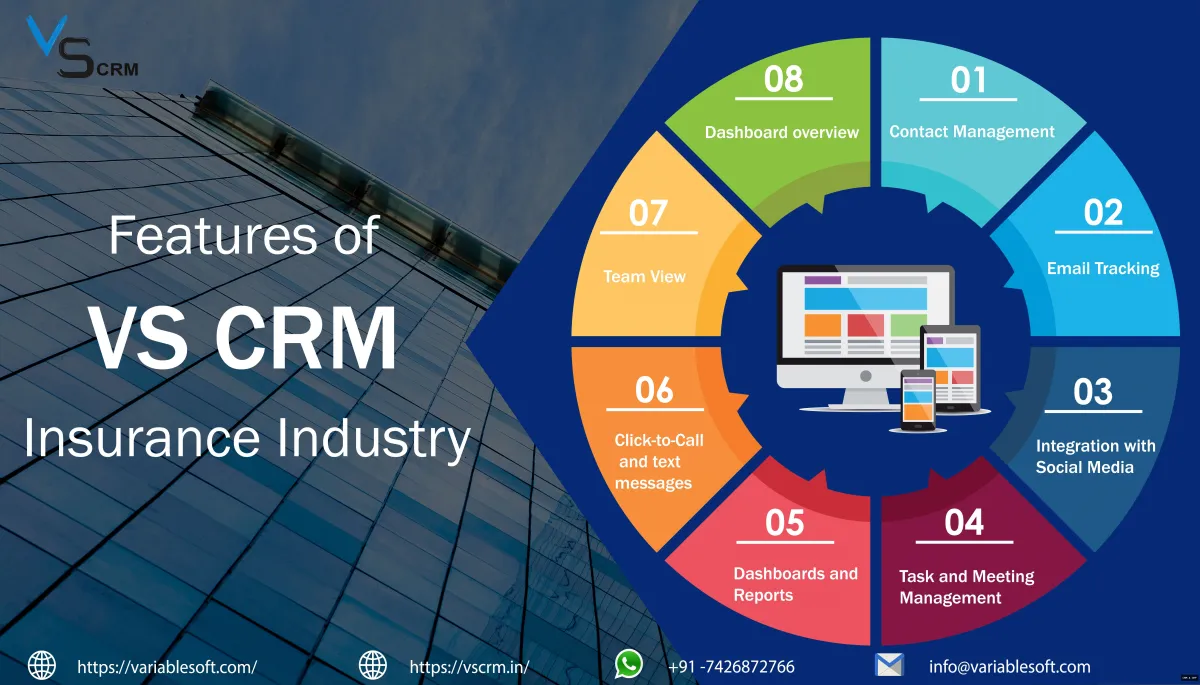
This article explores the crucial role of CRM in transforming ERP for insurance providers. We’ll delve into the benefits of integration, the challenges involved, and the key considerations for successfully implementing a unified CRM–ERP solution. We’ll also look at real-world examples of how insurers are leveraging this integration to gain a competitive edge in today’s rapidly evolving market. For further insights, consider Best Practices to CRM Align ERP for Insurance Companies as you explore this transformation. Whether you’re an executive considering a major system overhaul or a business analyst looking to optimize existing processes, this guide will provide valuable insights into the transformative power of CRM–ERP integration.
Understanding the Basics: ERP and CRM in Insurance
Before diving into the transformative power of integration, it’s important to understand the core functionalities of ERP and CRM systems independently, especially within the context of the insurance industry.
Enterprise Resource Planning (ERP) for Insurance
ERP systems are the backbone of any large organization, and insurance companies are no exception. In insurance, ERP typically manages the following key functions:
- Finance and Accounting: Managing financial transactions, generating reports, ensuring regulatory compliance.
- Human Resources: Handling payroll, benefits administration, recruitment, and employee performance management.
- Policy Administration: Managing policy issuance, renewals, cancellations, and endorsements.
- Claims Processing: Processing claims, managing payouts, and tracking claims history.
- Reinsurance Management: Managing reinsurance agreements and processing reinsurance claims.
Historically, insurance ERP systems have been focused on efficiency and cost reduction in these core operational areas. They aimed to automate processes and provide a centralized view of critical business data. However, they often lacked the customer-centric focus needed to drive growth and build lasting relationships.
Customer Relationship Management (CRM) for Insurance
CRM systems, on the other hand, are designed to manage customer interactions and improve the customer experience. In insurance, CRM systems typically handle the following:
- Sales and Marketing: Managing leads, tracking sales opportunities, and executing marketing campaigns.
- Customer Service: Handling customer inquiries, resolving complaints, and providing support.
- Agent Management: Supporting agents with sales tools, training, and performance tracking.
- Customer Segmentation: Identifying customer segments based on demographics, behavior, and risk profile.
- Personalized Communication: Delivering targeted messages and offers to individual customers.
CRM systems empower insurance providers to understand their customers better, personalize their interactions, and build stronger relationships. However, without integration with ERP, CRM data can be incomplete, inaccurate, or outdated, leading to missed opportunities and frustrated customers.
The Power of Integration: Transforming Insurance Operations
The integration of CRM and ERP systems is where the real magic happens. By connecting these two critical systems, insurance providers can unlock a wealth of benefits that drive efficiency, improve customer satisfaction, and boost profitability.
Enhanced Customer Experience
One of the most significant benefits of CRM–ERP integration is an enhanced customer experience. With a unified view of customer data, insurers can provide personalized service, anticipate customer needs, and resolve issues quickly and efficiently. For example:
- 360-Degree Customer View: Agents and customer service representatives can access a complete history of customer interactions, including policy details, claims history, and communication preferences.
- Personalized Offers: Insurers can use CRM data to identify cross-selling and upselling opportunities and deliver targeted offers to individual customers.
- Proactive Service: By monitoring customer behavior and identifying potential issues, insurers can proactively reach out to customers and offer assistance.
Imagine a customer calling with a question about their claim. With integrated CRM–ERP, the agent can instantly access all relevant information, including policy details, claim status, and previous interactions, allowing them to provide a quick and accurate response. This seamless experience builds trust and strengthens customer loyalty.
Streamlined Operations
CRM–ERP integration also streamlines internal operations, reducing manual processes and improving efficiency. Some key benefits include:
- Automated Workflows: Automate tasks such as policy renewals, claims processing, and customer onboarding.
- Improved Data Accuracy: Eliminate data silos and ensure that all systems are working with the same accurate information.
- Reduced Errors: Reduce manual data entry and minimize the risk of errors. These improvements, detailed in How CRM Boosts ERP Efficiency in the Insurance Sector, enhance accuracy.
- Faster Processing Times: Automate processes and reduce cycle times for key tasks.
For instance, when a customer updates their address in the CRM system, that information can automatically be updated in the ERP system, ensuring that all departments have the most current information. This eliminates the need for manual data entry and reduces the risk of errors.
Data-Driven Decision Making
With integrated CRM and ERP data, insurers can gain valuable insights into their business operations and customer behavior, enabling them to make more informed decisions. This includes:
- Improved Risk Assessment: Analyze customer data to identify high-risk customers and adjust premiums accordingly.
- Targeted Marketing Campaigns: Develop more effective marketing campaigns based on customer segmentation and behavior.
- Optimized Pricing Strategies: Adjust pricing strategies based on market trends and customer demand.
- Enhanced Fraud Detection: Identify and prevent fraudulent claims by analyzing customer data and claims history.
By analyzing data from both CRM and ERP, insurers can identify patterns and trends that would be impossible to detect with siloed systems. This allows them to make data-driven decisions that improve profitability and reduce risk.
Challenges and Considerations for Implementation
While the benefits of CRM–ERP integration are clear, the implementation process can be complex and challenging. Insurers need to carefully consider several factors to ensure a successful integration.
Data Migration and Integration
One of the biggest challenges is migrating data from legacy systems and integrating it into the new CRM–ERP platform. This requires careful planning, data cleansing, and a robust integration strategy. Key considerations include:
- Data Mapping: Identifying the data fields in each system and mapping them to the corresponding fields in the new platform.
- Data Cleansing: Removing duplicate, inaccurate, or outdated data.
- Data Transformation: Converting data into the required format for the new platform.
- Integration Architecture: Choosing the right integration architecture, such as point-to-point integration or an Enterprise Service Bus (ESB).
Change Management
Implementing a new CRM–ERP system requires significant changes to business processes and workflows. Insurers need to effectively manage this change to ensure that employees are properly trained and motivated to use the new system. Key considerations include:
- Executive Sponsorship: Securing buy-in from senior management.
- Communication: Communicating the benefits of the new system to employees.
- Training: Providing comprehensive training on how to use the new system.
- Support: Providing ongoing support to employees as they transition to the new system.
Choosing the Right Solution
Selecting the right CRM–ERP solution is critical for success. Insurers need to carefully evaluate their needs and choose a solution that meets their specific requirements. Key considerations include:
- Functionality: Does the solution offer the functionality needed to support your business processes?
- Scalability: Can the solution scale to meet your future needs?
- Integration Capabilities: Does the solution integrate seamlessly with your existing systems?
- Vendor Reputation: Does the vendor have a proven track record of success?
- Cost: Is the solution affordable and within your budget?
Security and Compliance
Insurance providers handle sensitive customer data and must comply with strict regulations. It’s crucial to ensure that the CRM–ERP system is secure and compliant with all relevant regulations. Key considerations include:
- Data Encryption: Encrypting data at rest and in transit.
- Access Controls: Implementing strict access controls to prevent unauthorized access to data.
- Audit Trails: Maintaining audit trails to track user activity and detect security breaches.
- Compliance Certifications: Ensuring that the solution is certified to comply with relevant regulations, such as HIPAA and GDPR.
Real-World Examples of CRM–ERP Transformation in Insurance
Several insurance providers have successfully transformed their operations by integrating CRM and ERP systems. Here are a few examples:
Example 1: Streamlining Claims Processing
A large property and casualty insurer integrated its CRM and ERP systems to streamline claims processing. By connecting customer data with claims data, the insurer was able to automate the claims process, reduce cycle times, and improve customer satisfaction. The integration also enabled the insurer to detect fraudulent claims more effectively, saving millions of dollars each year.
Example 2: Enhancing Agent Productivity
A leading life insurance company integrated its CRM and ERP systems to empower its agents. By providing agents with access to a 360-degree view of customer data, the insurer was able to improve agent productivity and increase sales. The integration also enabled the insurer to provide agents with personalized training and support, helping them to better serve their customers.
Example 3: Improving Customer Retention
A regional health insurance provider integrated its CRM and ERP systems to improve customer retention. By analyzing customer data, the insurer was able to identify customers who were at risk of leaving and proactively reach out to them with personalized offers and support. This helped the insurer to reduce churn and improve customer loyalty.
Conclusion: Embracing the Future of Insurance with Integrated Systems
The integration of CRM and ERP systems is no longer a luxury for insurance providers; it’s a necessity. In today’s competitive market, insurers need to provide exceptional customer experiences, streamline their operations, and make data-driven decisions to succeed. By embracing integrated CRM–ERP solutions, insurers can unlock a wealth of benefits that drive efficiency, improve customer satisfaction, and boost profitability.
While the implementation process can be challenging, the rewards are well worth the effort. By carefully planning the integration, managing change effectively, and choosing the right solution, insurers can transform their operations and gain a significant competitive advantage. As the insurance industry continues to evolve, the integration of CRM and ERP will become even more critical for success. …insurer, especially within the Insurance industry, can reap significant benefits. Insurers that embrace this transformation will be well-positioned to thrive in the future.
The key takeaway is that CRM is not just a sales and marketing tool; it’s a strategic asset that can transform the entire insurance organization when integrated with ERP. It’s about creating a customer-centric culture, driven by data and enabled by technology, to deliver superior value and build lasting relationships. The future of insurance is integrated, and the time to embrace this transformation is now. For further insights, consider How to CRM Optimize ERP in Modern Insurance Solutions.
Conclusion
In conclusion, the integration of CRM systems represents a significant and transformative evolution for ERP within the insurance industry. Moving beyond traditional transactional processing, a CRM-enhanced ERP system empowers insurance providers to cultivate deeper, more meaningful customer relationships. By centralizing customer data, streamlining communication, and personalizing interactions, insurance companies can achieve a level of customer intimacy previously unattainable. This synergy drives increased customer satisfaction, loyalty, and ultimately, a stronger competitive advantage in an increasingly demanding market.
This article has highlighted the critical role CRM plays in optimizing core ERP functions, from policy management and claims processing to marketing and sales. Embracing this integrated approach is no longer a luxury, but a necessity for insurance providers looking to thrive in the digital age. If your organization is ready to unlock the full potential of your ERP system and deliver exceptional customer experiences, we encourage you to explore the possibilities of CRM integration. Consider a comprehensive assessment of your current systems and processes to identify areas where a CRM-driven approach can yield the greatest impact. Learn more about how a tailored CRM solution can revolutionize your insurance business by visiting www.example.com/crm-insurance.
Frequently Asked Questions (FAQ) about The Role of CRM in Transforming ERP for Insurance Providers
How does CRM improve ERP for insurance?
CRM enhances ERP by centralizing customer data, improving communication, and streamlining sales processes. This integration provides a 360-degree view of the customer, enabling more targeted and personalized services.
What are the benefits of CRM and ERP integration?
Integration offers improved operational efficiency, enhanced customer satisfaction, and better data-driven decision-making. Automated workflows and real-time data sharing reduce errors and improve overall productivity.
Why is customer data important for insurance ERP?
Customer data is crucial for personalizing services, assessing risks accurately, and tailoring insurance products. Comprehensive data from CRM helps insurers understand customer needs and preferences better.
Can CRM improve insurance sales processes?
Yes, CRM streamlines sales by automating tasks, managing leads effectively, and providing sales teams with valuable insights. Improved lead management leads to higher conversion rates and increased revenue.
How does CRM impact insurance claims processing?
CRM facilitates faster and more efficient claims processing by providing easy access to customer information and claim history. This reduces processing time and improves customer satisfaction during claims.