The insurance industry, steeped in tradition yet facing relentless pressure to innovate, stands at a critical juncture. Consumers demand personalized experiences, agile services, and transparent communication, all while regulators tighten compliance standards. This necessitates a fundamental shift in how insurance companies operate, moving away from siloed departments and outdated systems towards integrated, data-driven approaches. Enterprise Resource Planning (ERP) systems have long been the backbone of many large organizations, streamlining internal processes and providing a centralized view of operations. However, ERP alone isn’t enough to achieve the level of customer-centricity required for success in today’s market.
Customer Relationship Management (CRM) systems, designed to manage customer interactions and data, play a crucial role in bridging the gap between internal operations and external customer needs. By integrating CRM with ERP, insurance companies can unlock a powerful synergy, fostering innovation across various aspects of the business, from product development to claims management. This integration allows for a holistic view of the customer, enabling personalized experiences and more efficient service delivery.
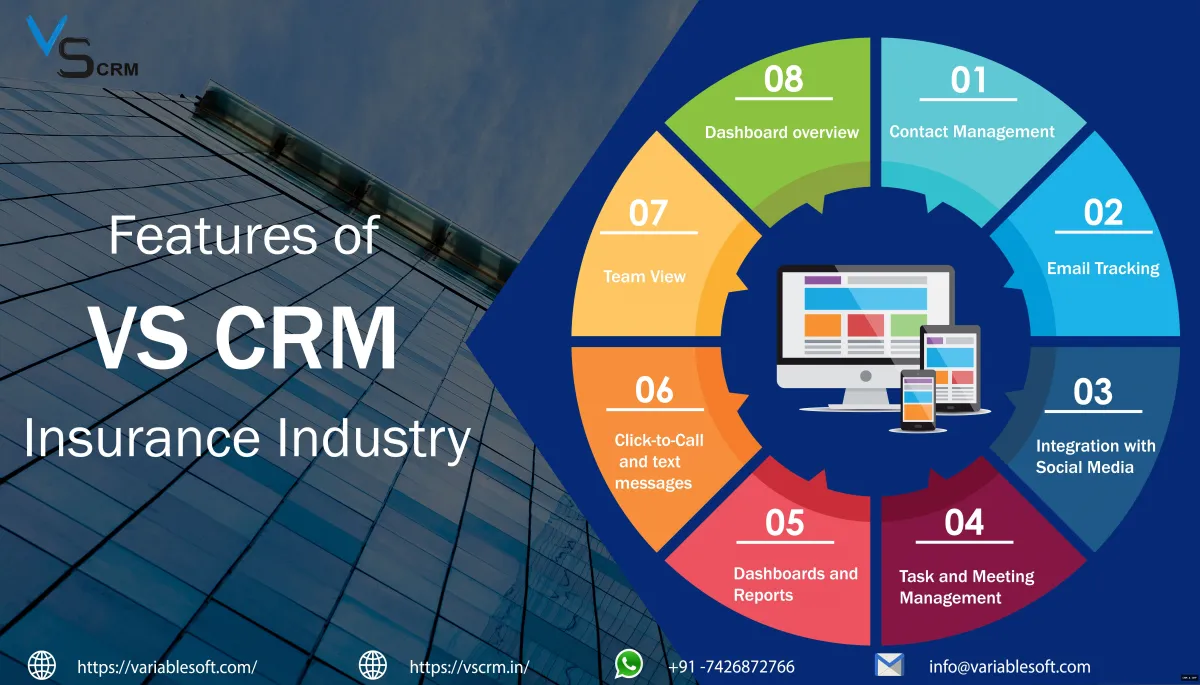
This article delves into how CRM supports ERP innovation in the insurance market, exploring the benefits of integration, specific use cases, and the challenges that companies may face during implementation. We’ll examine how a well-integrated CRM–ERP system can drive efficiency, improve customer satisfaction, and ultimately, create a competitive advantage for insurance providers in an increasingly dynamic landscape. It’s about moving beyond simply automating tasks to truly understanding and anticipating customer needs, and then leveraging that knowledge to improve every facet of the business.
Understanding the Core Roles of CRM and ERP in Insurance
Before exploring the synergy between CRM and ERP, it’s essential to understand the distinct roles each system plays within an insurance organization. ERP systems, at their core, manage the internal workings of the business, focusing on efficiency and resource optimization. CRM, on the other hand, is primarily focused on the customer, aiming to build relationships and improve satisfaction.
ERP: The Internal Engine
ERP systems for insurance typically encompass modules for:
- Finance and Accounting: Managing financial transactions, reporting, and compliance.
- Human Resources: Handling employee data, payroll, and benefits administration.
- Policy Administration: Managing policy issuance, renewals, and cancellations. Policy administration, furthermore, connects to The Future of CRM Driving ERP Transformation in Insurance for streamlined processes.
- Claims Management: Processing claims, managing adjusters, and handling payouts.
- Regulatory Compliance: Ensuring adherence to industry regulations and reporting requirements.
The primary goal of ERP is to streamline these internal processes, reduce operational costs, and improve efficiency. For example, automating claims processing can significantly reduce turnaround times and improve customer satisfaction.
CRM: The Customer-Centric Hub
CRM systems in insurance focus on managing customer interactions and data across all touchpoints. Key functionalities include:
- Lead Management: Tracking and nurturing potential customers.
- Sales Automation: Streamlining the sales process and improving sales team efficiency.
- Customer Service: Managing customer inquiries, complaints, and support requests. Customer service improvements can also stem from integrating systems, as discussed in Steps to CRM Enhance ERP Adoption in Insurance Companies.
- Marketing Automation: Personalizing marketing campaigns and improving customer engagement.
- Analytics and Reporting: Providing insights into customer behavior and trends.
CRM helps insurance companies build stronger relationships with their customers by providing personalized service and targeted marketing. For instance, a CRM system can track customer interactions across multiple channels (phone, email, online portal) to provide a unified view of their needs and preferences.
The Power of CRM–ERP Integration: Driving Innovation
The true power lies in integrating CRM and ERP systems. When these two systems work together seamlessly, insurance companies can unlock a wealth of data and insights, enabling them to innovate across various areas of the business.
Personalized Product Development
Integrating CRM data with ERP allows insurance companies to develop products that are better tailored to customer needs. By analyzing customer demographics, risk profiles, and purchasing patterns stored in CRM, insurers can identify unmet needs and develop new products or modify existing ones to better meet those needs. For example, if CRM data reveals a growing demand for cyber insurance among small businesses, an insurer can leverage ERP data to assess the cost and profitability of offering such a product.
Enhanced Customer Service
A unified view of customer data empowers customer service representatives to provide faster and more personalized service. When a customer calls with a question or complaint, the representative can access their policy details, claims history, and interaction history from both CRM and ERP, all in one place. This eliminates the need to switch between systems and allows the representative to quickly resolve the issue, leading to improved customer satisfaction.
Streamlined Claims Management
Integrating CRM with ERP can significantly streamline the claims management process. When a customer files a claim, the CRM system can automatically retrieve relevant policy information from the ERP system and populate the claim form. This reduces manual data entry and accelerates the claims process. Furthermore, the CRM system can be used to track the status of the claim and communicate updates to the customer, providing greater transparency and improving the overall claims experience.
Data-Driven Marketing Campaigns
By combining customer data from CRM with financial data from ERP, insurance companies can create more targeted and effective marketing campaigns. For example, they can identify customers who are likely to be interested in a particular product based on their demographics, risk profile, and purchasing history. They can then use the CRM system to send personalized marketing messages to these customers, increasing the likelihood of conversion. Integrating ERP data allows for better understanding of profitability and ROI on marketing campaigns.
Improved Sales Efficiency
Integrating CRM with ERP can help sales teams close more deals by providing them with a complete view of the customer. Sales representatives can access customer contact information, policy details, claims history, and financial data from both systems, allowing them to tailor their sales pitches to the customer’s specific needs and preferences. They can also use the CRM system to track their sales activities and manage their pipeline more effectively, leading to improved sales efficiency.
Overcoming Challenges in CRM–ERP Integration
While the benefits of CRM–ERP integration are significant, the process can be complex and challenging. Insurance companies need to carefully plan and execute the integration to ensure that it is successful.
Data Migration and Cleansing
One of the biggest challenges is migrating data from existing CRM and ERP systems to the integrated system. This can be a complex and time-consuming process, especially if the data is stored in different formats or is of poor quality. It’s crucial to cleanse and standardize the data before migrating it to the new system to ensure data accuracy and consistency.
System Compatibility
Ensuring that the CRM and ERP systems are compatible is another key challenge. If the systems are not designed to work together, it may be necessary to customize them or use middleware to bridge the gap. This can add complexity and cost to the integration project.
Change Management
Integrating CRM and ERP systems can require significant changes to business processes and workflows. It’s important to involve employees in the integration process and provide them with adequate training to ensure that they can effectively use the new system. Resistance to change is a common obstacle, and effective change management strategies are essential for successful implementation.
Security Considerations
Integrating CRM and ERP systems can also raise security concerns. It’s important to implement appropriate security measures to protect sensitive customer data from unauthorized access. This includes implementing strong passwords, encrypting data, and regularly auditing security logs.
Choosing the Right CRM and ERP Solutions
Selecting the right CRM and ERP solutions is crucial for successful integration and achieving the desired business outcomes. Insurance companies should carefully evaluate their needs and requirements before making a decision.
Cloud-Based vs. On-Premise Solutions
One of the first decisions to make is whether to choose a cloud-based or on-premise solution. Cloud-based solutions offer several advantages, including lower upfront costs, greater scalability, and easier maintenance. However, on-premise solutions may be a better choice for companies that have strict security requirements or need greater control over their data.
Industry-Specific Solutions
Consider choosing CRM and ERP solutions that are specifically designed for the insurance industry. These solutions typically include features and functionalities that are tailored to the unique needs of insurance companies, such as policy administration, claims management, and regulatory compliance.
Vendor Reputation and Support
Choose vendors with a strong reputation and a proven track record of success. Look for vendors that offer comprehensive support and training services to help you implement and maintain the system. Check reviews and testimonials from other insurance companies to get a sense of the vendor’s capabilities and customer satisfaction.
Integration Capabilities
Ensure that the CRM and ERP solutions you choose are compatible and can be easily integrated. Look for solutions that offer pre-built integrations or open APIs that allow you to connect them with other systems.
Conclusion: The Future of Insurance with Integrated CRM and ERP
In conclusion, CRM supports ERP innovation in the insurance market by providing a customer-centric lens to traditionally internally focused processes. By integrating these two powerful systems, insurance companies can unlock a wealth of data and insights, enabling them to develop personalized products, enhance customer service, streamline claims management, and improve sales efficiency. While the integration process can be challenging, the benefits are well worth the effort. As the insurance industry continues to evolve, companies that embrace CRM–ERP integration will be best positioned to succeed in the long term. They will be able to adapt quickly to changing customer needs, improve operational efficiency, and create a competitive advantage.
The future of insurance lies in leveraging technology to create seamless and personalized experiences for customers. CRM–ERP integration is a key enabler of this vision, allowing insurance companies to transform their businesses and deliver exceptional value to their customers. By embracing this integration, insurance companies can not only survive but thrive in an increasingly competitive and dynamic market. CRM-ERP integration is a key enabler of this vision, as explored in How to CRM Optimize ERP in Modern Insurance Solutions.
Conclusion
In conclusion, the synergy between CRM and ERP systems is no longer a luxury, but a necessity for insurance companies aiming to thrive in today’s dynamic market. As we’ve explored, CRM empowers insurers to cultivate deeper customer relationships, personalize offerings, and streamline sales processes, while ERP provides the backbone for efficient operations, risk management, and regulatory compliance. The innovative integration of these two powerful platforms unlocks unprecedented opportunities for insurers to optimize performance, reduce costs, and gain a significant competitive edge.
Ultimately, the future of insurance lies in embracing digital transformation and leveraging the power of interconnected systems. By strategically integrating CRM and ERP, insurance organizations can create a truly customer-centric and data-driven environment, fueling innovation and driving sustainable growth. To learn more about how a tailored CRM and ERP integration strategy can benefit your insurance company, we encourage you to contact our team of experts for a personalized consultation and discover how to unlock your organization’s full potential.
Frequently Asked Questions (FAQ) about How CRM Supports ERP Innovation in the Insurance Market
How does CRM improve insurance ERP?
CRM enhances ERP by providing customer insights. This data informs product development and pricing, leading to more relevant and profitable insurance offerings. Better data integration streamlines processes.
Why integrate CRM and ERP in insurance?
Integrating CRM and ERP eliminates data silos. This integration provides a 360-degree view of the customer, improving efficiency and decision-making. It leads to better customer service.
What CRM data benefits insurance ERP?
CRM data such as customer demographics and policy history enhances ERP. This data empowers better risk assessment and customized policy creation. It supports improved financial forecasting.
Can CRM automate insurance processes in ERP?
Yes, CRM can automate tasks like policy renewals within ERP. This automation reduces manual errors and improves operational efficiency. It frees up staff for more strategic tasks.
How does CRM improve insurance sales through ERP?
CRM data enables targeted sales campaigns via ERP. By understanding customer needs, insurers can offer relevant products and services, increasing sales. This leads to improved conversion rates.